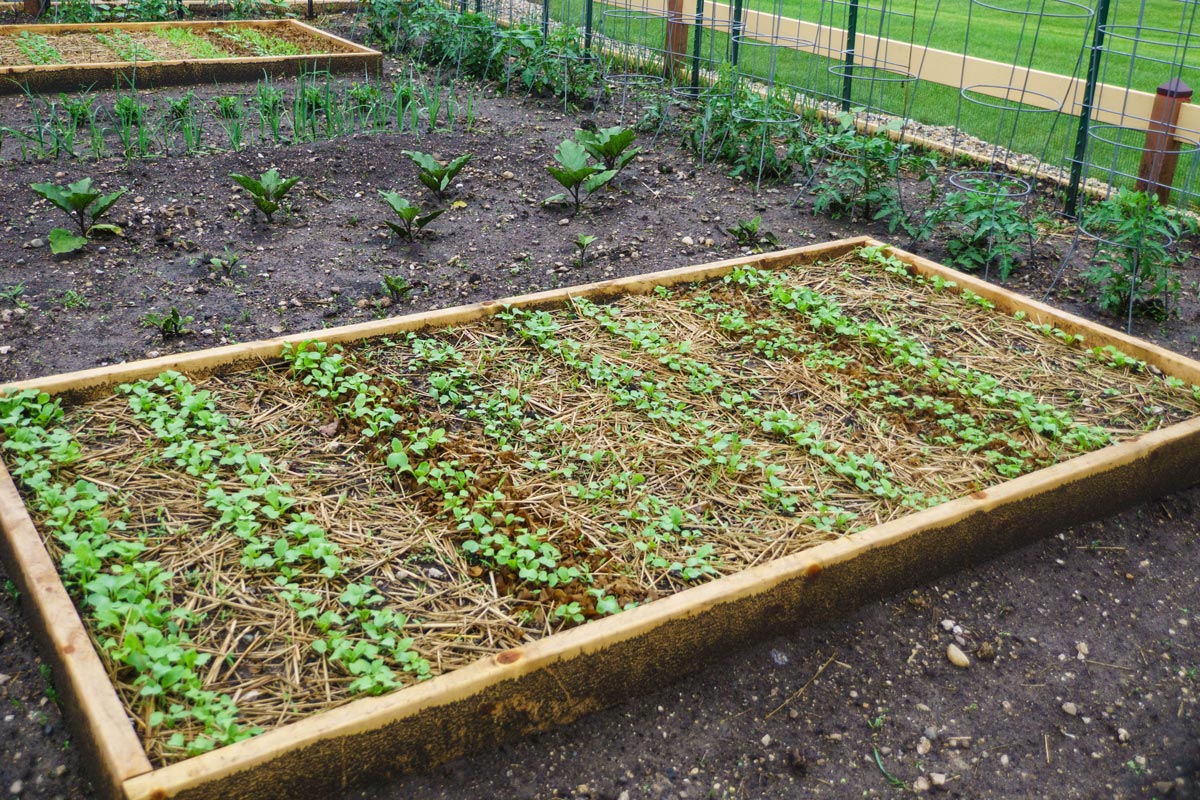
We grow root vegetables and small leafy greens on raised beds. The beds are made with 'construction lumber'. Being not chemically treated makes construction lumber good for organic gardening. They will eventually rot away, but we can get 10 or so years from them, as we don’t have any termites here.
In our densely planted gardens, raised beds enable us to isolate plants that have different water and nutrient requirements from those around them, to some extent. Root crops require less water, less nitrogen and more potassium compared to, say, cucumbers next to them. We add a small amount of wood ash to their bed. In some years we add some bone meal too, for phosphorus. The loose soil in the beds helps carrot, parsnip and such to form beautifully straight roots.
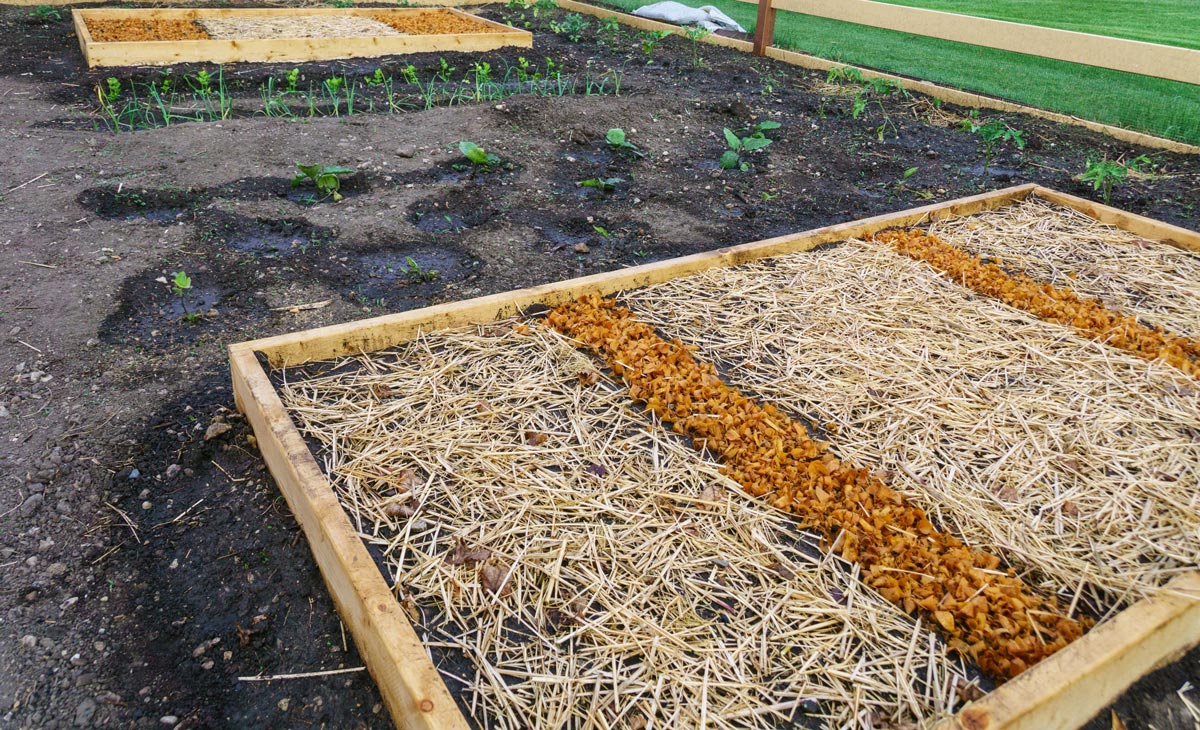
We grow plants 2 inches (5 cm) apart in the raised beds. The seed templates we use make the holes equally spaced. We can produce a large amount of greens and roots from a small area, by planting them this close.
Water drains easily from the soil in raised beds. So it's a good idea to mulch the beds to slow down water loss by evaporation and to keep the sowed seeds damp. Finding organic mulch is always a challenge for us. We use untreated wood shavings, ornamental grass from the previous year, or any other organic mulching material from our own yard for mulching.
Leafy vegetables prefer nitrogen-rich soil. We add a bit more composted manure to their bed before planting, and spray them with compost tea and fish emulsion more often. Frequent watering results in juicier leaves and stems too.
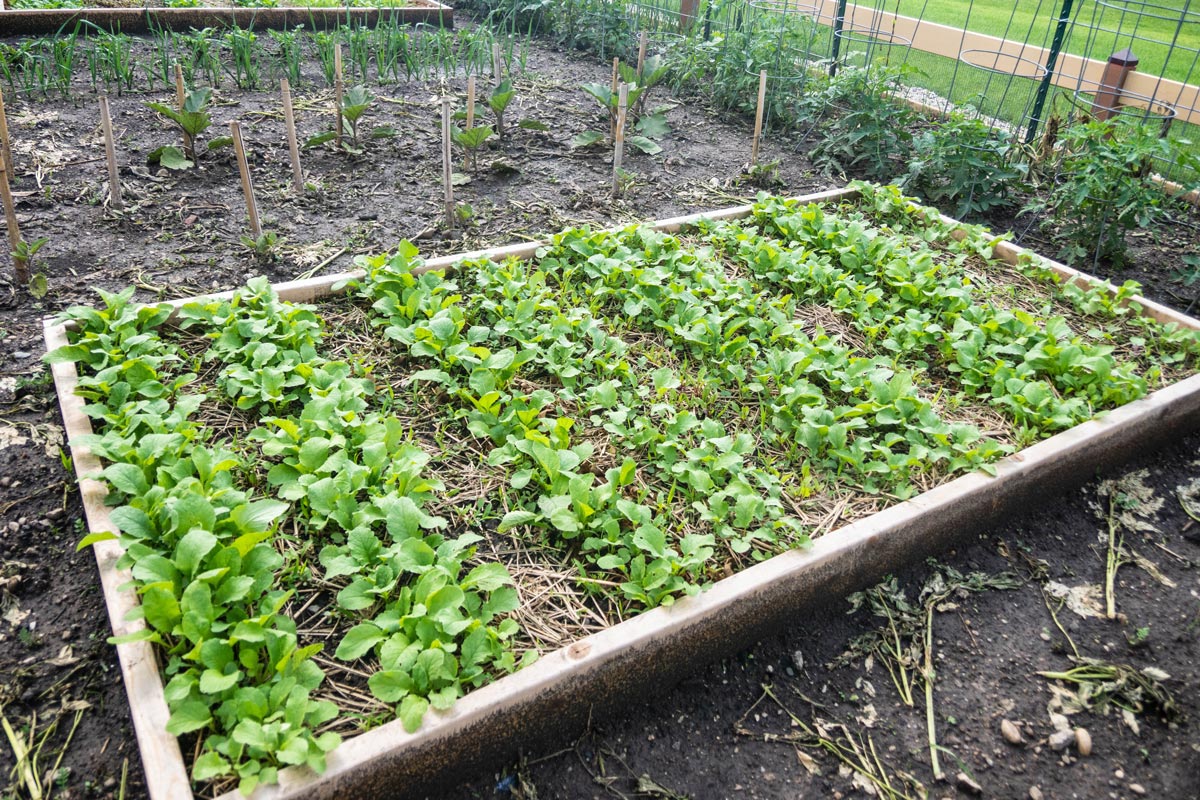
This year, carrot, beet, radish and turnip were planted in one bed. Radishes grow quite fast. Most were harvested in 30 to 45 days. They also gave a bit of helpful shade to the tiny carrot seedlings.
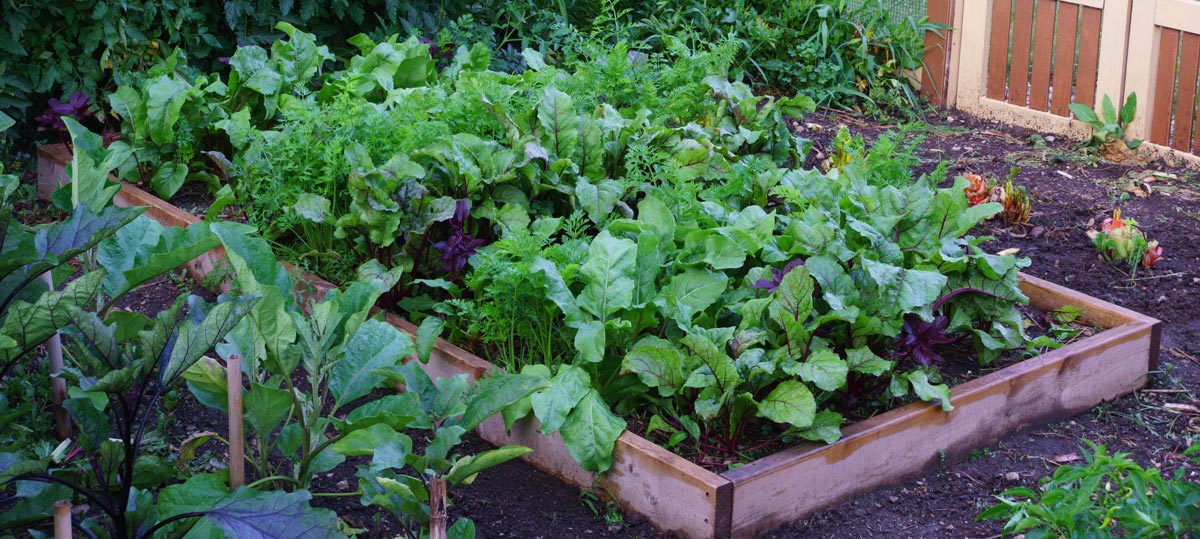
Beets and carrots got more breathing room after the radish harvest. Thinned the beets by picking some of them quite young. Leaves of the remaining beets were picked occasionally. We like the greens of beet a lot more than the roots. A few more weeks and the beet roots were harvested.
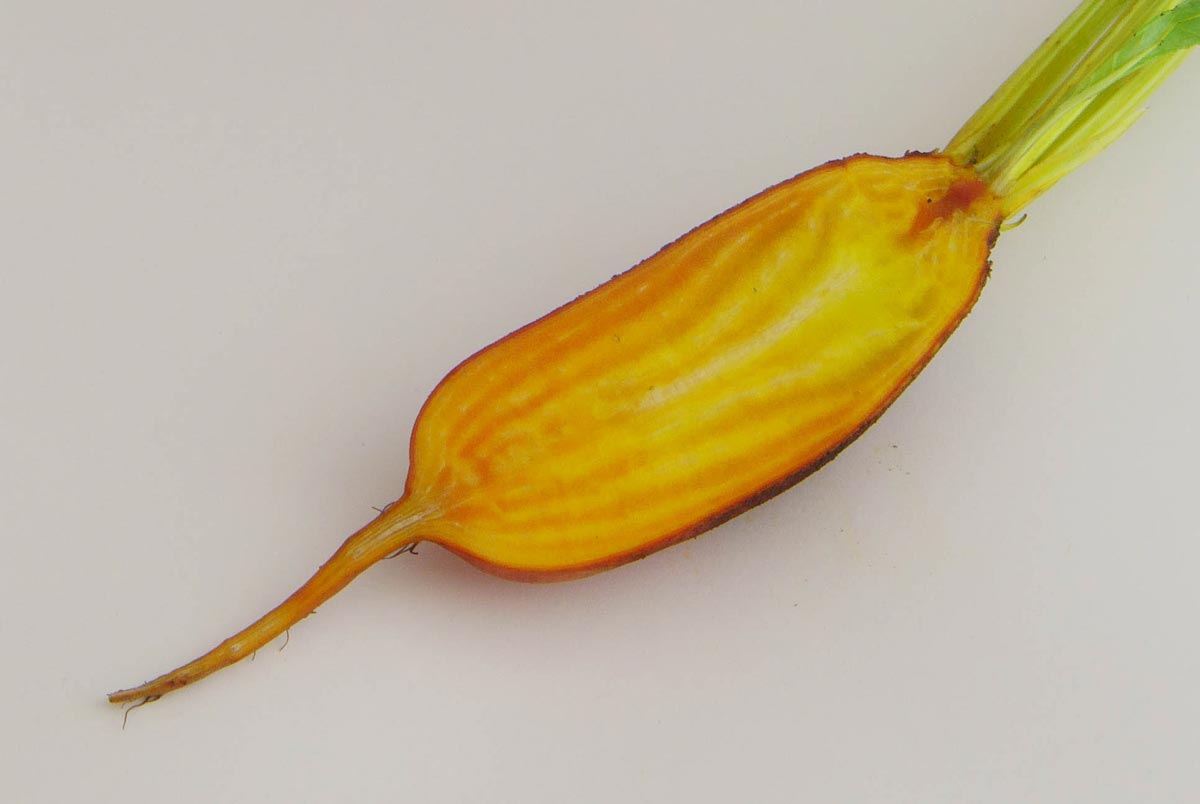
Badger Flame was a new variety for us this year. They were alright. Cylindrical varieties of beets do better than globe-shaped ones for us. Perhaps because they are planted so closely in raised beds that they get more room to grow downwards than sideways.
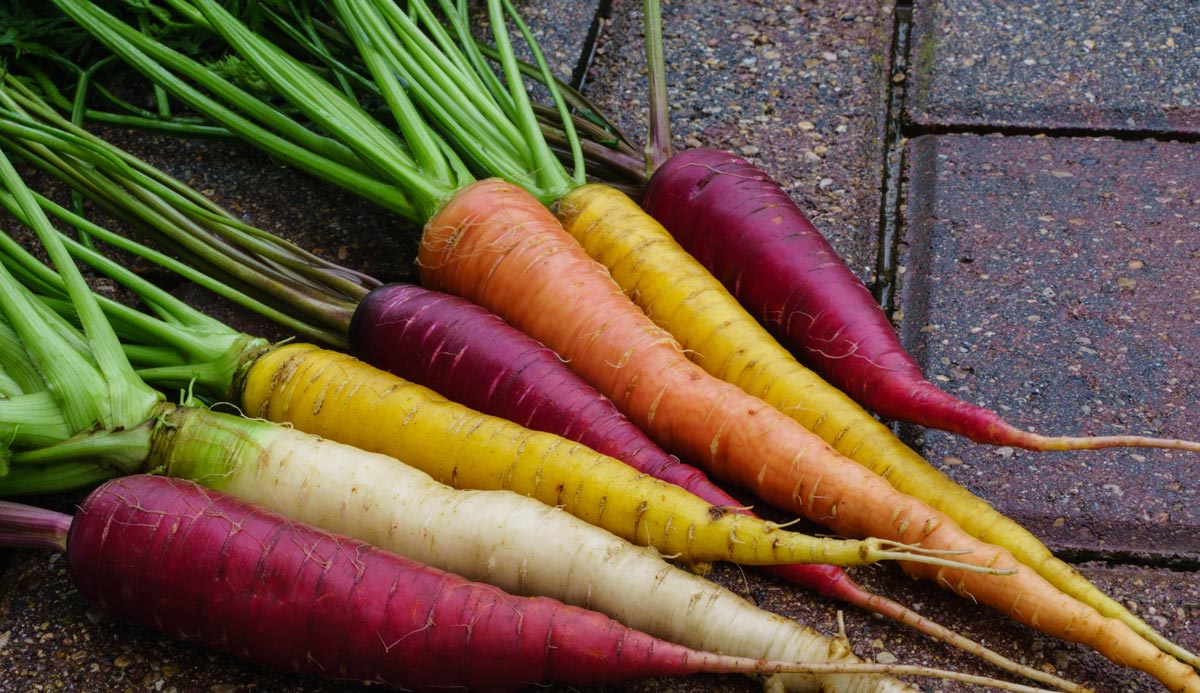
Carrots need the longest time to mature. Some of those too were picked as baby carrots once in a while. Then had a good harvest of the mature roots towards the end of the season.
Thank you for reading Dispatch № 02.


