We have a lot of wild rabbits, ‘Eastern Cottontail’, in the area. In the first year of gardening we thought we could do without fences. Instead we used garlic or pepper sprays, human hair, commercial rabbit repellents etc. Some of them were somewhat effective, but only for a short time. Most lost their effectiveness after a couple of rains, and needed to be re-applied. Not very practical for vegetable gardening.
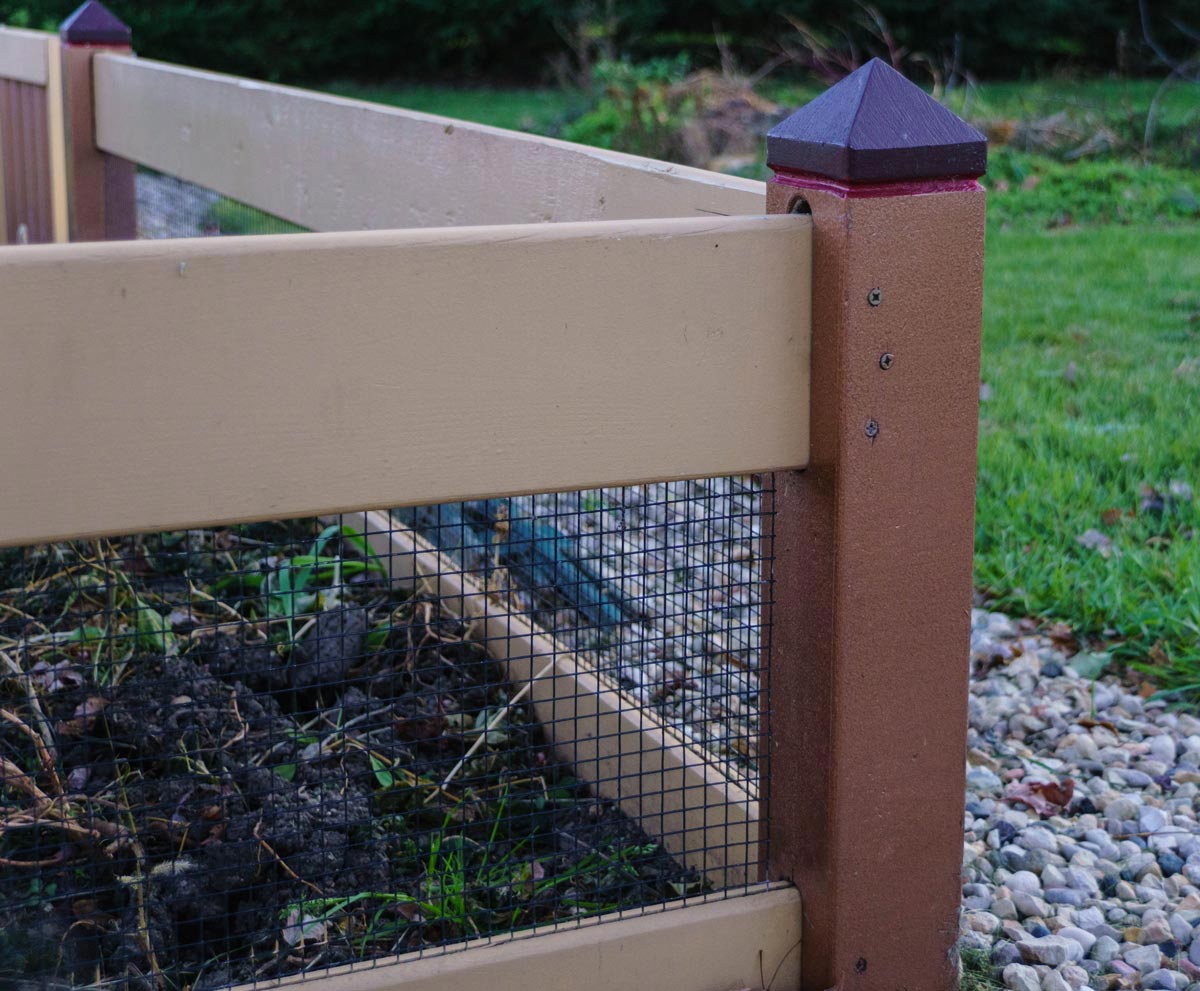
After a year or two we decided to make fences around the gardens. The first ones were made of chicken wire. They were quite effective, but were a hassle to have around. They used to get caught in the tines of our cultivator. It's then a big pain to remove them! They also used to hurt our son and his friends playing around the backyard. So we replaced them with plastic 'hardware cloth'. They are nets made of thick plastic. Seemed to work fine until rabbits started chewing their way through them!
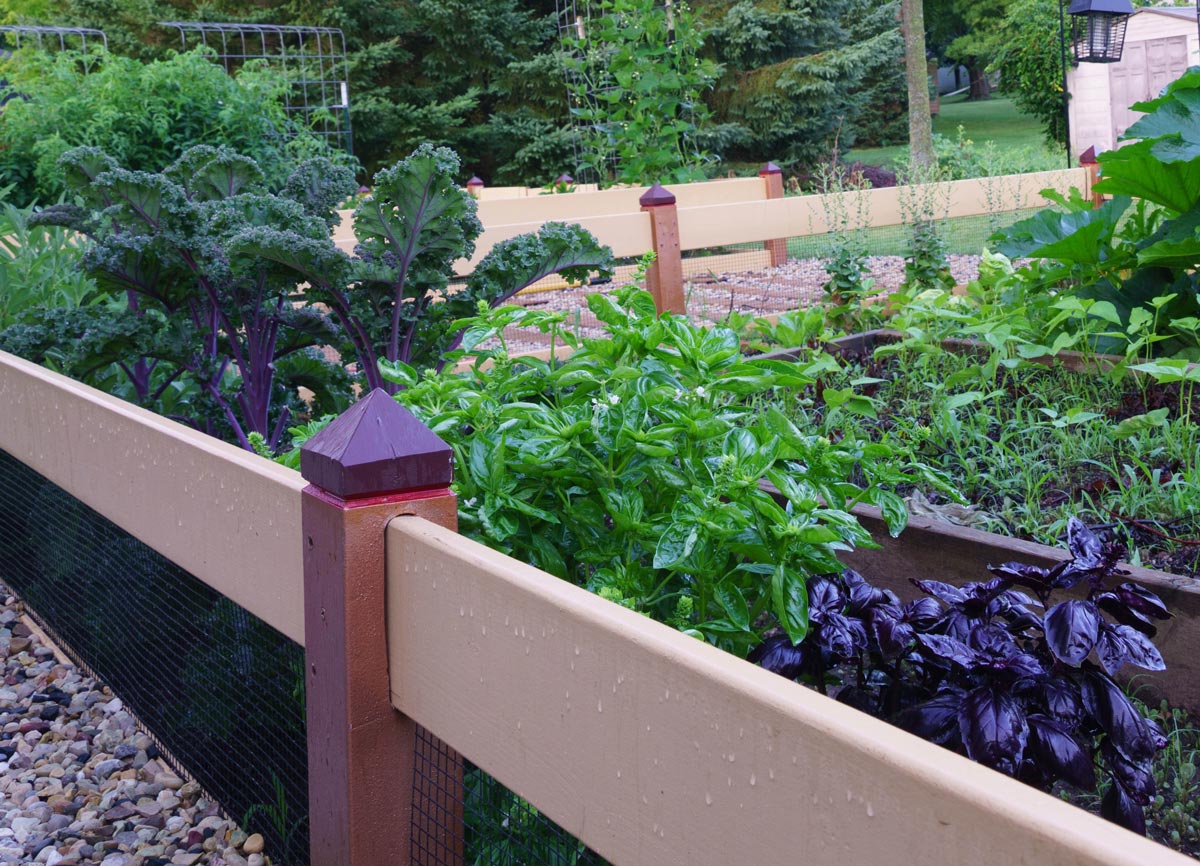
We finally decided to make permanent fences using cedar posts and boards, with galvanized steel hardware cloth between them. Cedar is the wood of choice for outdoor projects here, as it doesn't rot easily when exposed to water and other outdoor elements. An oil-based primer is a must, in our experience, for cedar. If water-based primer or paint is applied, it will blister and peel off. Probably because of the oily nature of the wood.
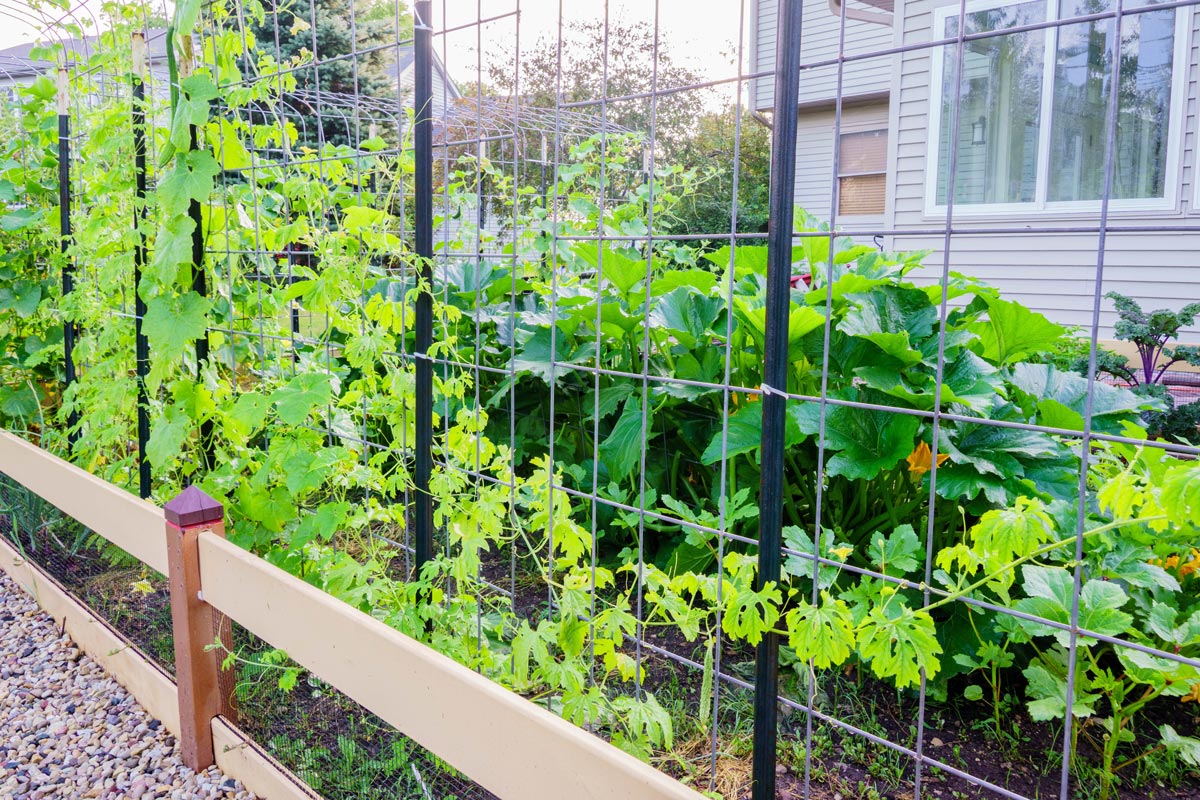
The posts are made of 4" by 4" cedar (10 cm by 10 cm). They are shaped using a miter saw and a router. The holes (mortises) are made with a drill press first and then shaped with a chisel and mallet. The groove on the boards, to insert the hardware cloth, is made on a table saw. Having a board on the top and bottom makes the fence beautiful and functional. The bottom board prevents the hardware cloth from getting tangled in the cultivator tines. When the tines hit the board, they get bounced back from the fence, instead of getting stuck. The top board makes it safe to cross over.
Though the fences are only two feet (60 cm) tall, they are enough to keep the rabbits away. We've never seen any rabbit inside the gardens after installing these.
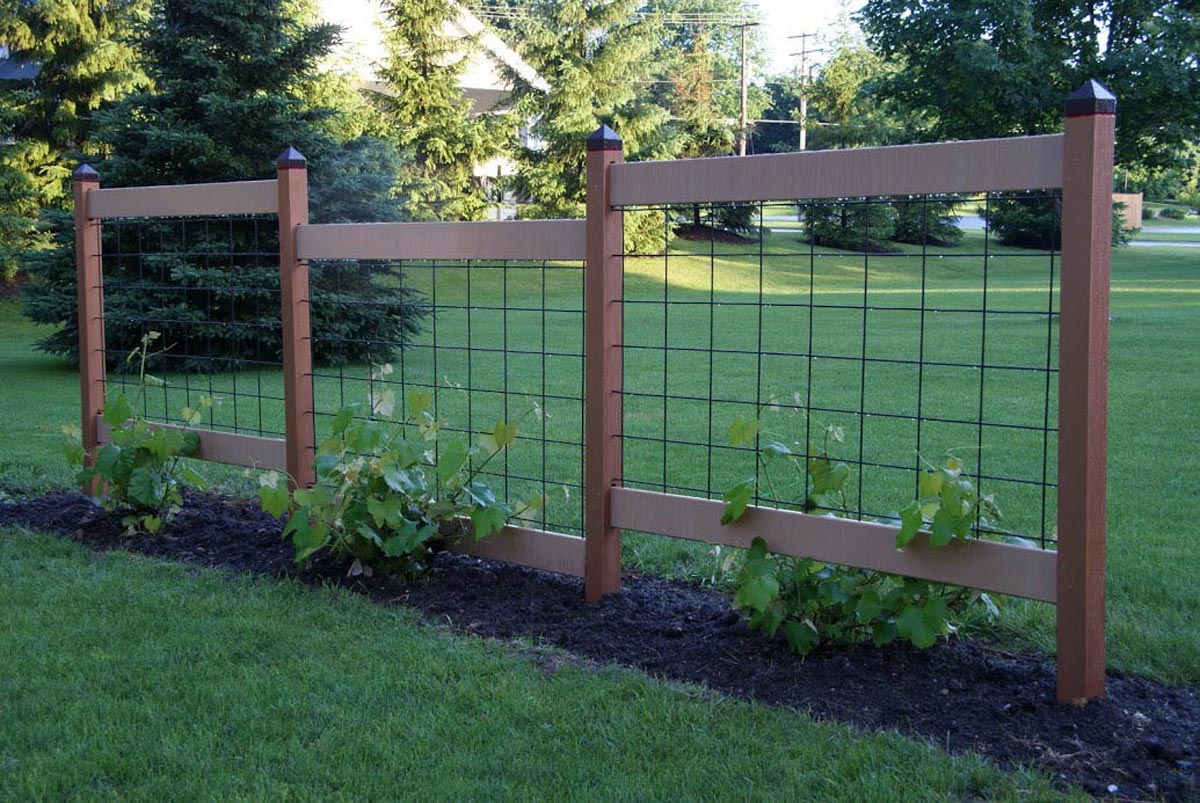
The grape trellis at the top also is made of cedar posts and boards, with cattle panels between them. The trellis photo is from years ago. It’s mostly covered by the vines now.
Thank you for reading Dispatch № 06.


