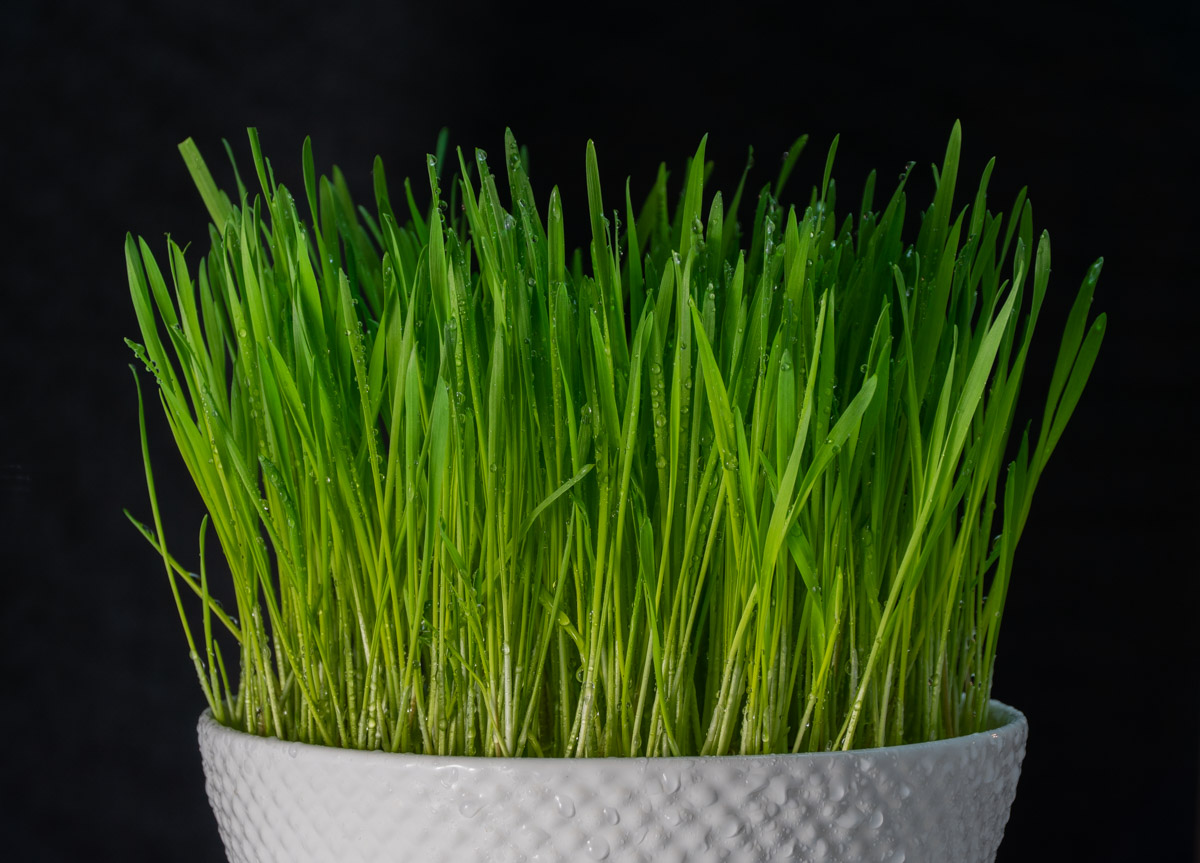
Wheatgrass is believed to be highly nutritious, with anti-inflammatory and antioxidant properties to boot. It's one of the easiest microgreens to grow indoors too. We grow and consume them throughout the winter months.
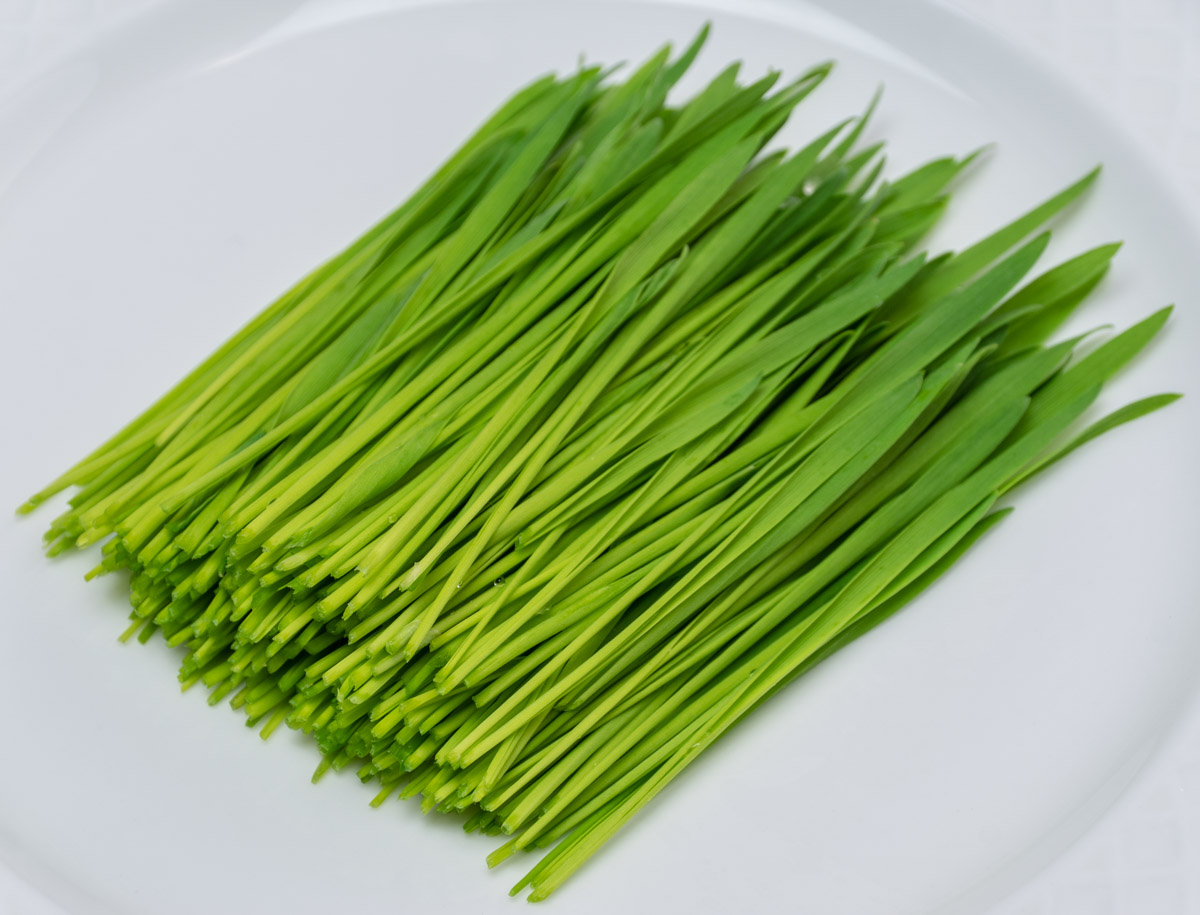
They are grown in much the same way as other microgreens. Seeds are soaked for 8 hours and then sowed on seed starting mix. They are misted with water three or four times a day. The container is placed on a heating mat until the seeds germinate.
Once the majority of the seeds germinate, the container is moved to a well-lit area. We start harvesting them when they are three to four inches tall. Snip them close to the base, with a pair of scissors, and let them grow back. We get three to five harvests from each plant. The second harvest is usually the biggest.
The harvested grass is washed and then juiced. These days we like to use a personal blender for juicing. We chop them an inch or so long and blend them with water. Once blended, the juice is poured through a strainer and drunk immediately.
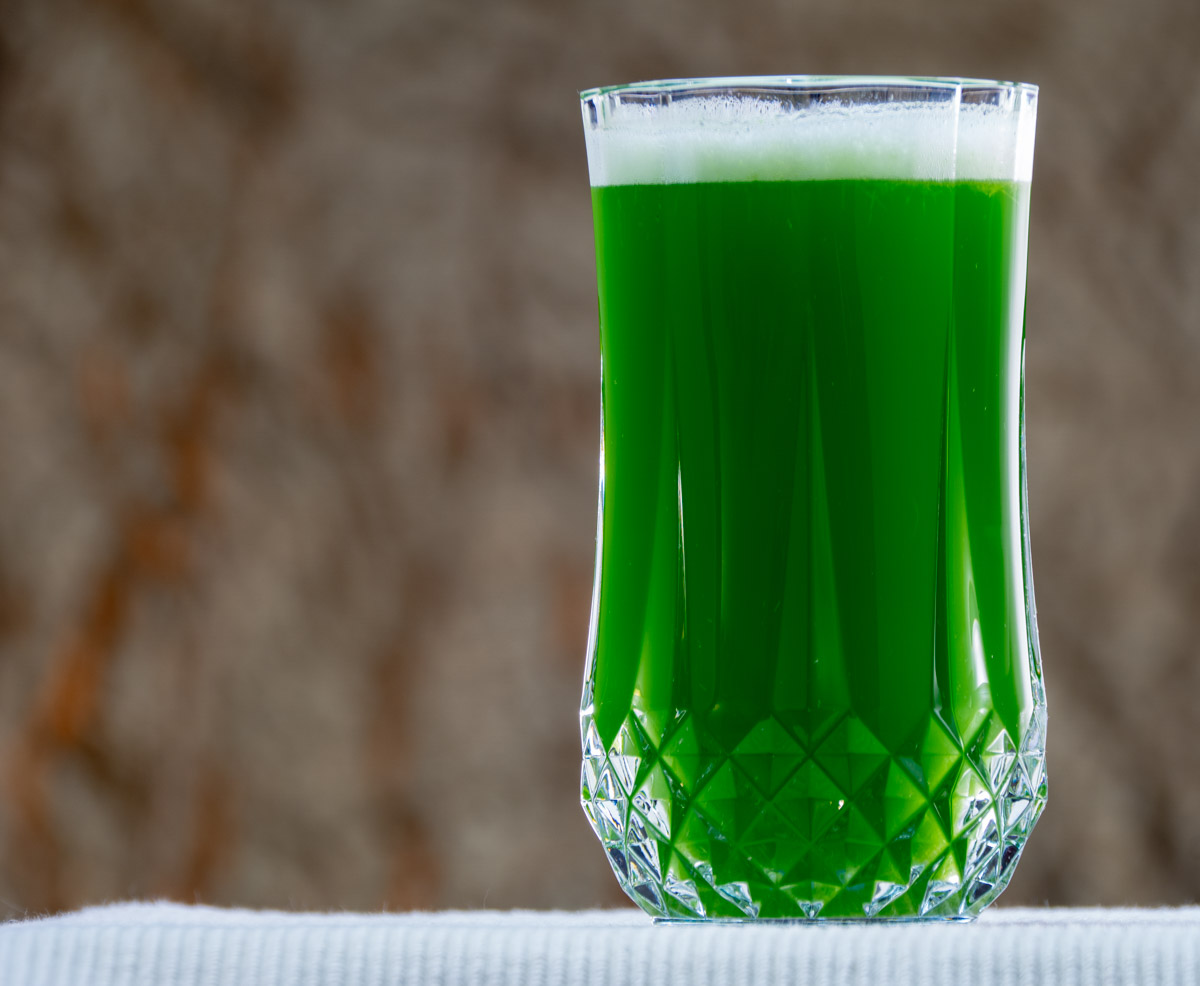
Some argue that blending heats the juice and thus reduces its nutritional value. We don't notice any heating if an equal amount of water is added before blending. Another argument against blending is that it can oxidize the juice. I'm not sure if it's significant or not. A personal blender is a whole lot easier to clean, however, compared to a juicer. We used to use a masticating juicer and a centrifugal juicer in the past, but cleaning either of them is not the easiest thing to do.
Thank you for reading Dispatch № 18.


