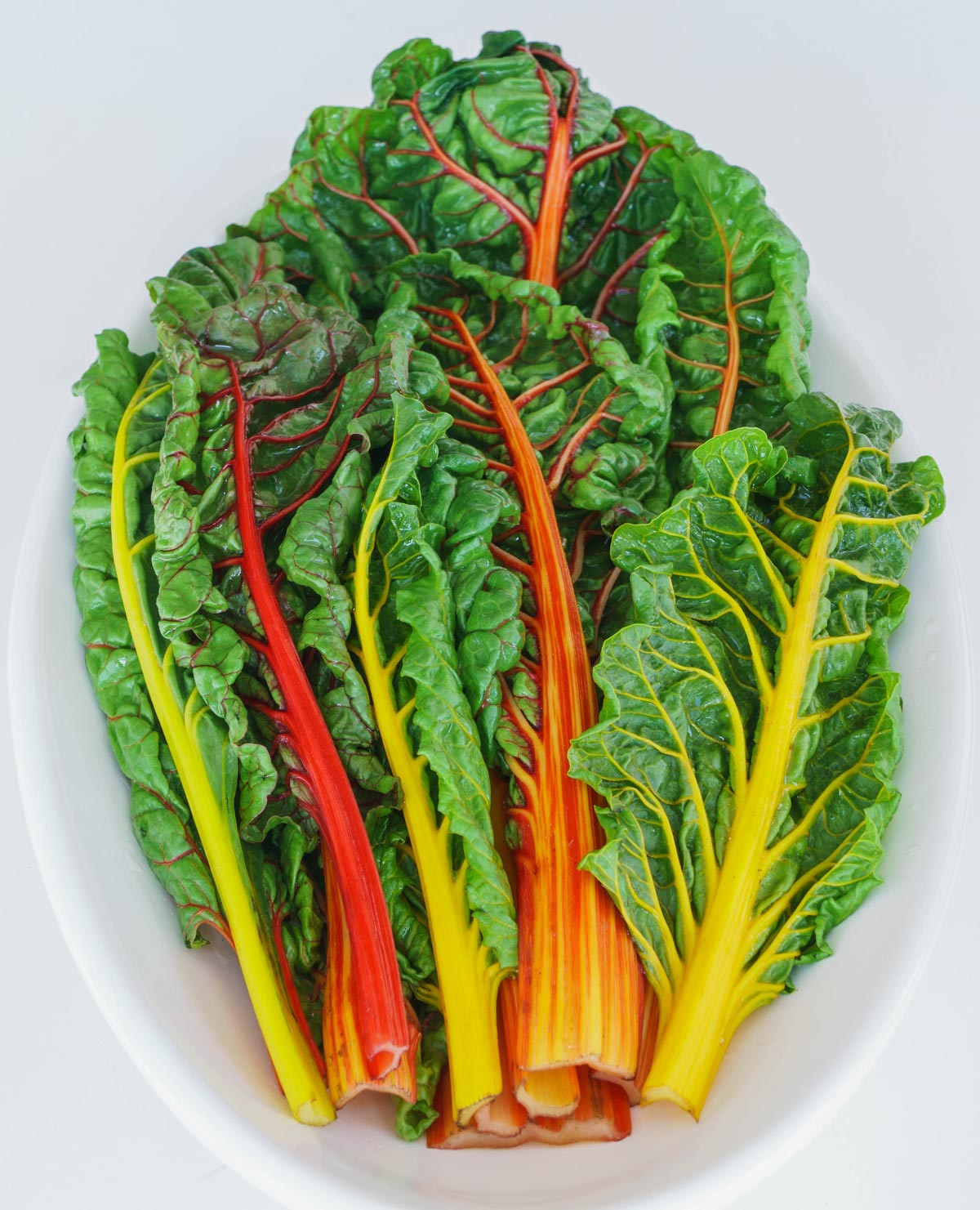
In addition to the compact greens we grow on raised beds, Swiss Chard, Japanese Mustard, Kale, Leek, Celery, Nasturtium etc. are grown outside the raised beds.
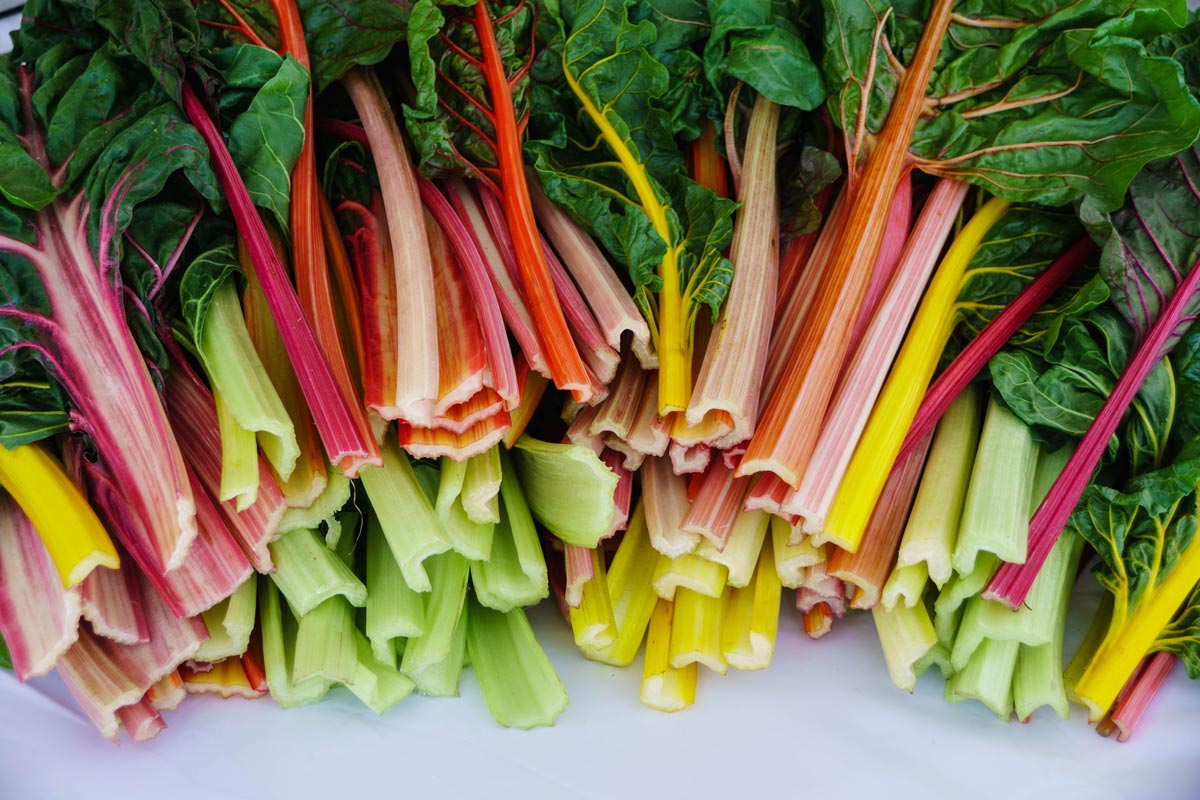
Swiss Chard is well worth growing, for us. They grow fast and produce large leaves and stems. We like to harvest their leaves when young and their stems when they are larger. These are excellent cut and come again plants. We can cut off the entire top and it will grow back in a couple of weeks.
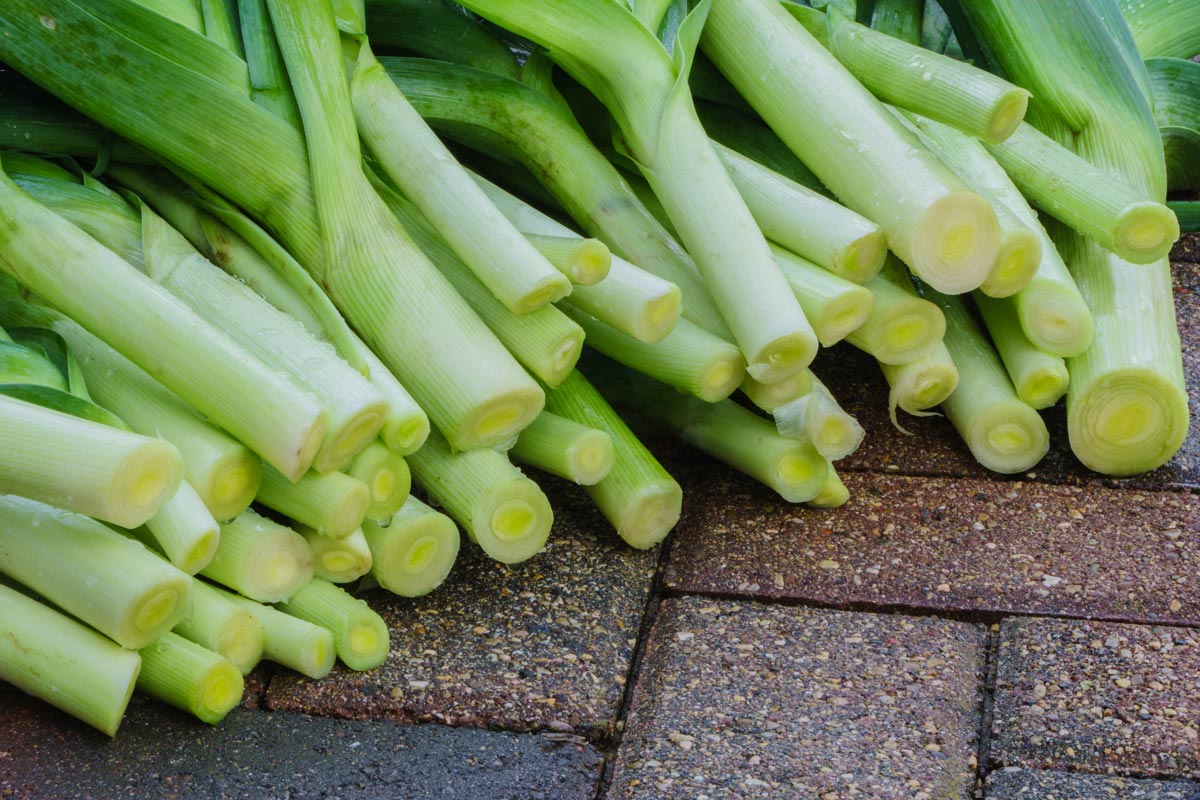
Leek and Celery too are very easy to grow and they too can be harvested multiple times. Both of them are quite cold hardy and can withstand the first couple of frosts.
Our harvesting method for leek is to cut off the stem just above the soil and leave the bottom of the plants intact, to re-sprout. We typically get three harvests from each plant.
Celery stems are harvested as needed throughout the growing season. They are mostly used for juicing, in our home. The outer stems are cut off or snapped off. They keep growing new stems, even if the entire top is cut off.
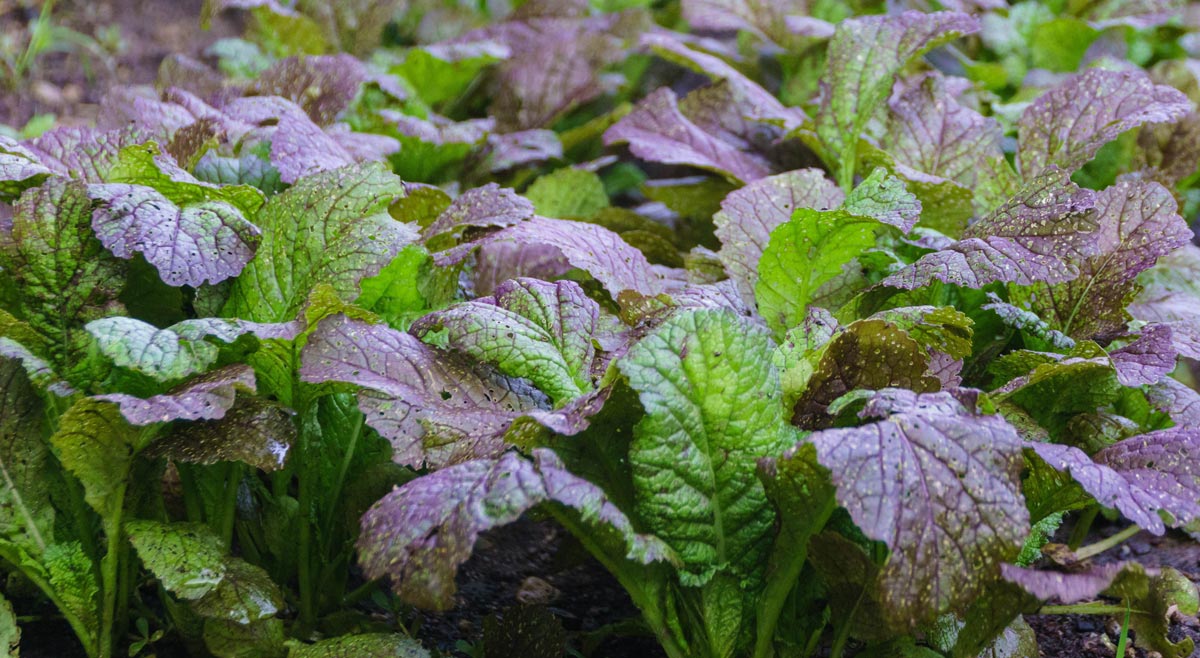
These are Japanese Red Mustard. They produce tasty leaves that are good for stir-fries and soups. They too can be harvested multiple times.
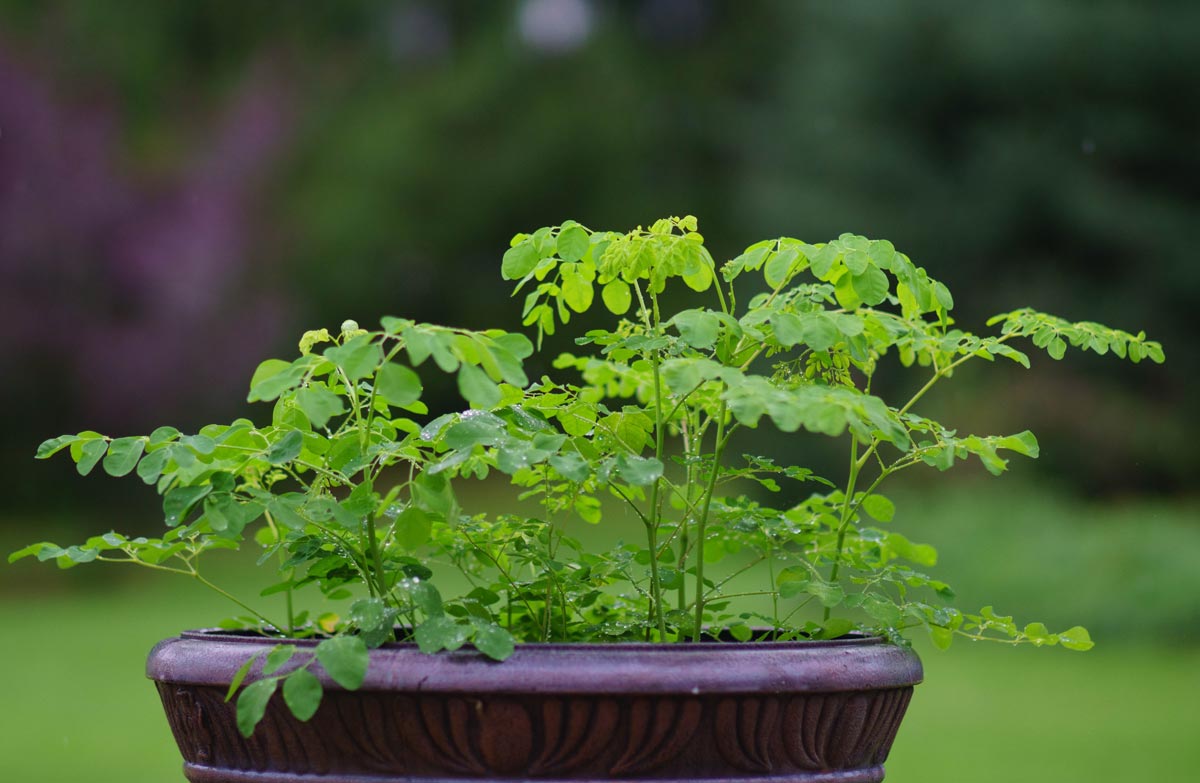
We grow Moringa for their leaves. They can grow into large trees and produce their nutritious pods in tropical climates, but they can't survive our winters at all. So, we grow several of them as annuals, to harvest their tasty and nutritious leaves.
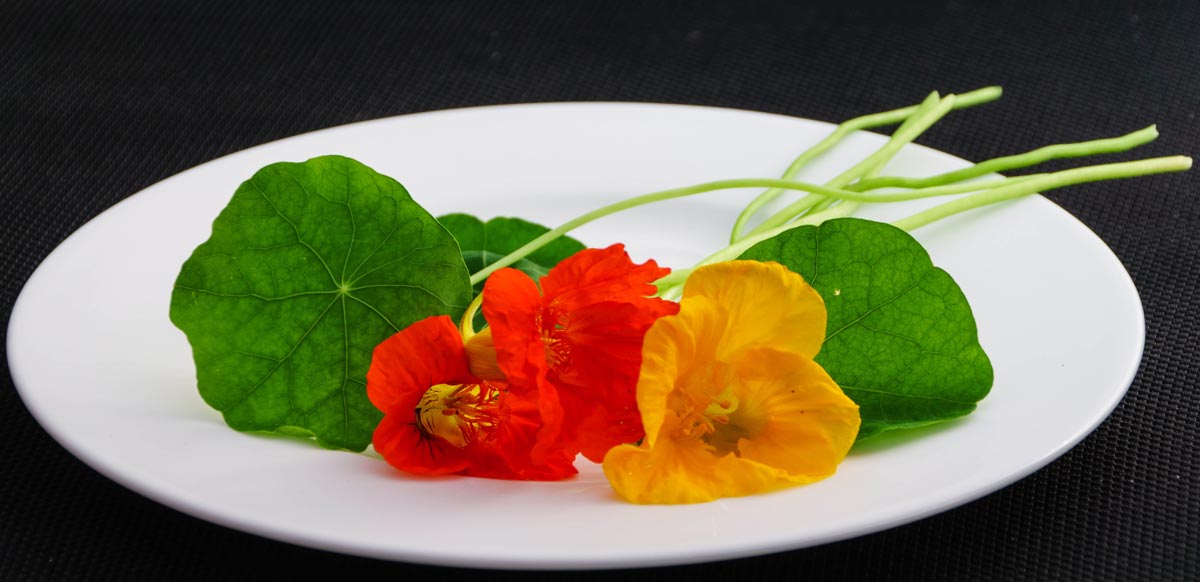
Nasturtium is another plant that we grow for its leaves and flowers. We had two varieties this year - 'Empress of India' and 'Tall Trailing Mix'. They produced quite a lot of leaves and flowers. It's better to plant them in poor soil. Nutrient rich soils make more foliage and fewer flowers.
'Redbor' is the variety of Kale we planted in recent years. They grow quite large and survive till December. We use them for juicing. Not the tastiest juice, but quite healthful.
Thank you for reading Dispatch № 12.


